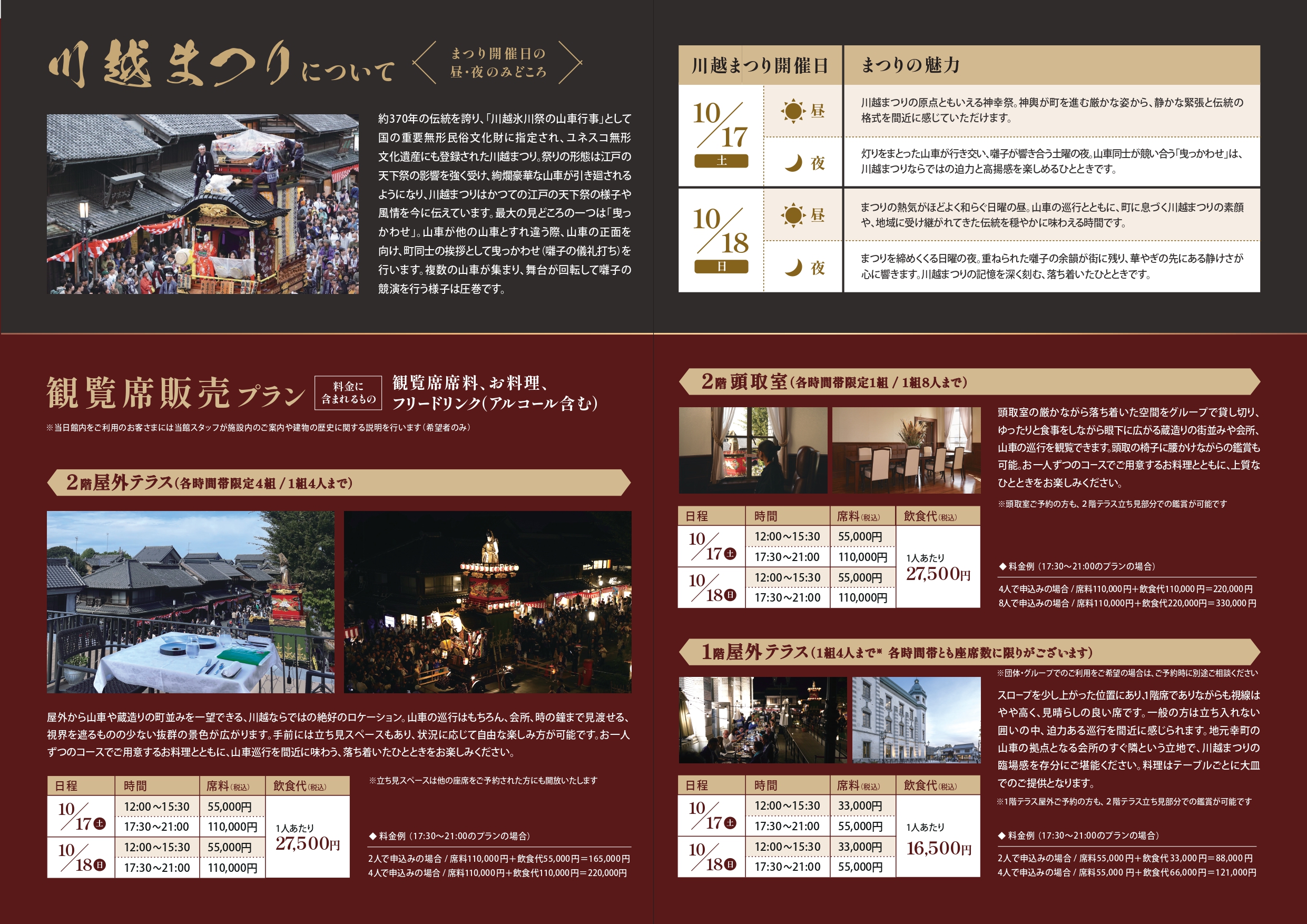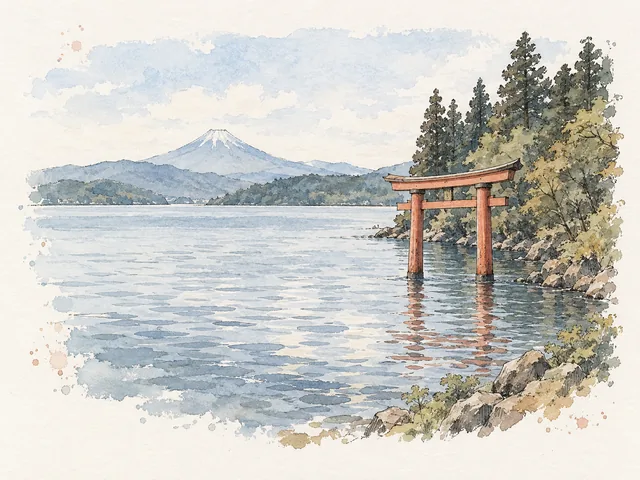
Hakone · a mountain retreat
For an onsen trip from Tokyo, compare places to stay in Hakone and check the journey each way.
Check the cancellation deadline before booking.
Hakone Shrine: access & charmsJapan Travel Comfort Calculator for overseas travelers
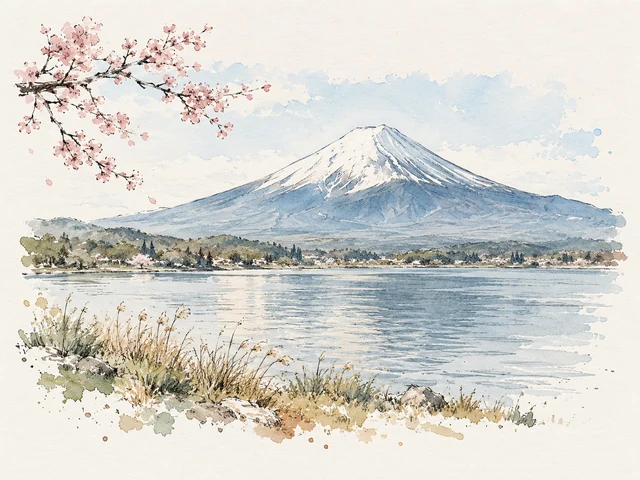
Compare in three steps
The homepage now shows a sample result for next month × Tokyo / Kanto × Overall comfort by default; change any option to get your own result.
This view is prefilled with next month × Tokyo / Kanto × Overall comfort; changing any selection recalculates immediately.
Loading travel data. You can choose your options while you wait.
Results use 2026 rule-based planning data for month and region comparison. Actual prices, rooms, transport, weather, pollen, events, and cancellation terms may change.
Your full analysis
🔴 Regional pressure 🟡 National dates / local events ⚪ Data limited · No alert does not mean low crowds. These hints do not change the score.
One-page visual
A little inspiration
Start with an idea. Then compare the month, the journey and the booking terms.
For an onsen trip from Tokyo, compare places to stay in Hakone and check the journey each way.
Check the cancellation deadline before booking.
Hakone Shrine: access & charms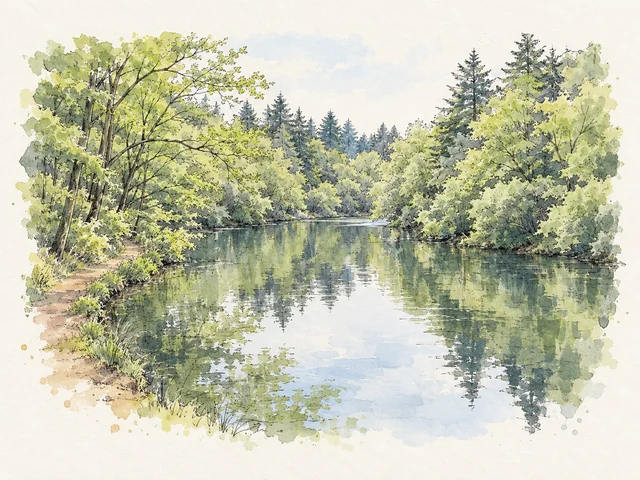
Thinking of leaving time for a forest walk? Choose your pace, then check transport and places to stay.
Compare the total price and cancellation terms.
Karuizawa official maps & guidesThe illustrations show the named places, not specific accommodation or walking routes.
Choose the places you want to visit, build a draft itinerary, and compare which month suits you.
From Hokkaido to Okinawa: choose your destination for things to do, hours, booking and transport.
No current recommendations for this selection. Try all destinations.
Factory & sweets · Sapporo, Hokkaido
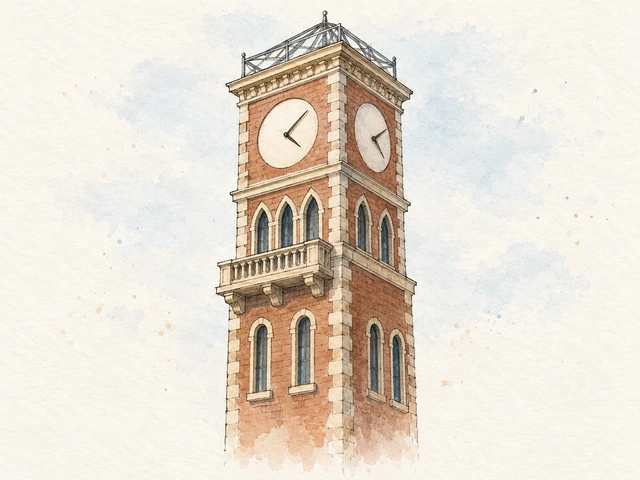
Watch cookie production, then choose a cookie- or chocolate-making workshop in the park.
Factory viewing needs a paid-area ticket. Workshops have separate courses and sessions, bookable through the official site.
No regular closing day, but closed January 1–2, 2027. On December 31, 2026 and January 3, 2027, hours are shorter and paid-area ticket reception ends at 15:30.
Getting there: Take the Tozai subway line to Miyanosawa, then walk about 7 minutes. From Sapporo Station, change at Odori.
Combine with: Mechanical Clock Tower (same site)
Official sources · Checked 2026-09-15
Floats & festival culture · Aomori, Tohoku
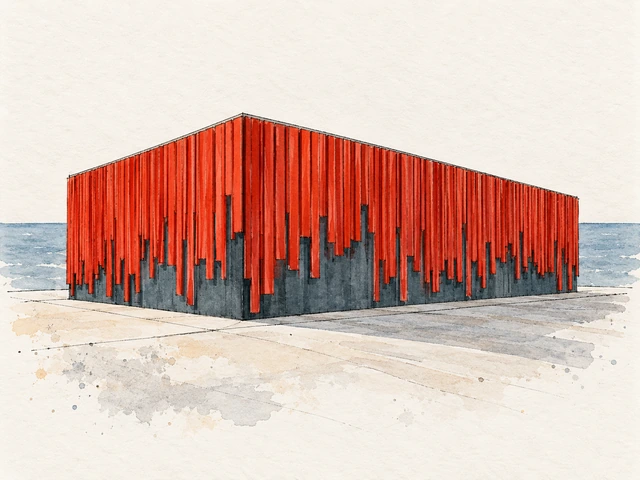
See large nebuta lantern floats up close, then catch a scheduled festival experience inside.
No reservation for fewer than 10 visitors; booking recommended for groups of 10 or more.
Closed August 9–10, December 31 and January 1, plus all day on October 11, 2026.
Getting there: About 1 minute on foot from JR Aomori Station.
Combine with: Festival experience in the museum (same site)
Official sources · Checked 2026-09-15
Omamori · Tokyo · Asagaya
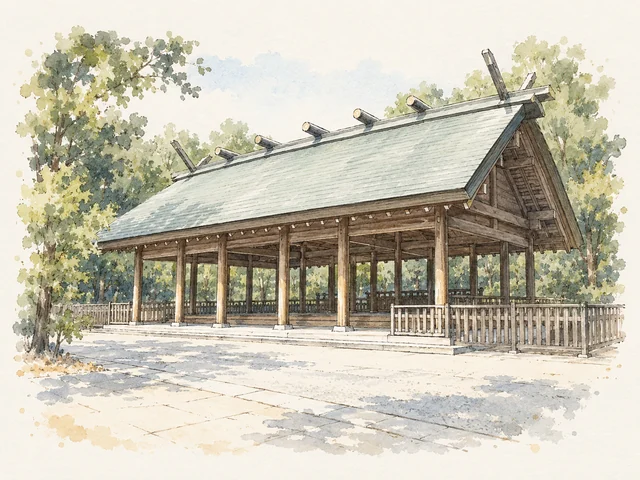
Kamimusubi is a lace bracelet omamori that can be worn on the wrist or tied to a bag—a design you can carry with you.
At the shrine; shipping within Japan only
New Year and the annual festival have different gate hours. The grounds open at different times by month; early access does not mean the charm counter is open.
Getting there: About 2 minutes on foot from JR Asagaya Station’s north exit, or 10 minutes from Minami-asagaya Station on the Tokyo Metro Marunouchi Line.
Combine with: Noh theatre in the shrine grounds (same site)
Official sources · Checked 2026-09-15
Omamori · Kyoto · Demachiyanagi
A see-through lace omamori to collect at the shrine.
Collect at the shrine
No regular shrine closing day; festivals and individual counters may have different hours.
Getting there: Walk about 12 minutes from Keihan Demachiyanagi Station. From Kyoto Station, take the JR Nara Line to Tofukuji and change to Keihan for Demachiyanagi. City buses 4 and 205 also serve the shrine area.
Combine with: Kawai Shrine and mirror-shaped ema (same site)
Official sources · Checked 2026-09-15
Craft painting · Hakata, Fukuoka, Kyushu
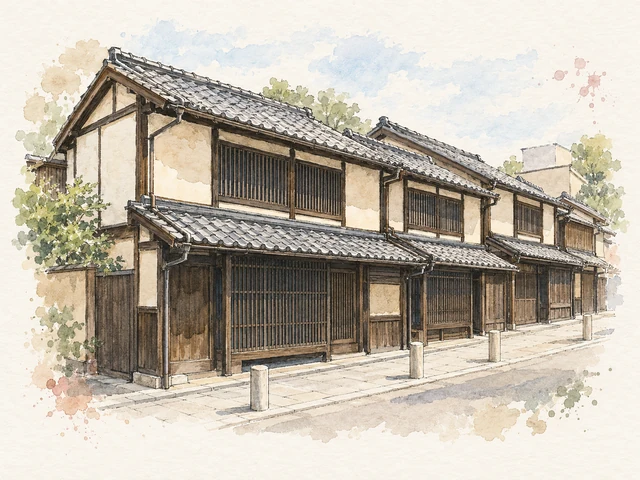
Paint a Hakata doll with a craftsperson and take it home once dry. Other crafts run Tuesday–Thursday.
Book online through the official workshop page. Groups of 6 or more, or requests for another day or time, need prior arrangements.
Closed on the fourth Monday of each month, or the next weekday if it is a public holiday. Check the monthly craft schedule too.
Getting there: About 4 minutes on foot from Kushida Shrine Station on the Nanakuma subway line, or 15 minutes from JR Hakata Station.
Combine with: Machiya house and history galleries (same site)
Official sources · Checked 2026-09-15
Family & indoors · Naha, Okinawa
Try hands-on kits about castle walls, coral reefs and Okinawan toys, with activities children can touch and explore.
The room is free, with shared kits to use inside. Groups should contact the information centre; entry may be limited when busy.
Closed Mondays, moving to the next weekday for public holidays, substitute holidays or Okinawa Memorial Day. Closed December 29, 2026–January 3, 2027; typhoons can cause temporary closures.
Getting there: Take the Yui Rail monorail to Omoromachi, then walk about 10–15 minutes.
Combine with: Museum permanent exhibition (same site)
Official sources · Checked 2026-09-15
Factory visit · Sanjo, Niigata
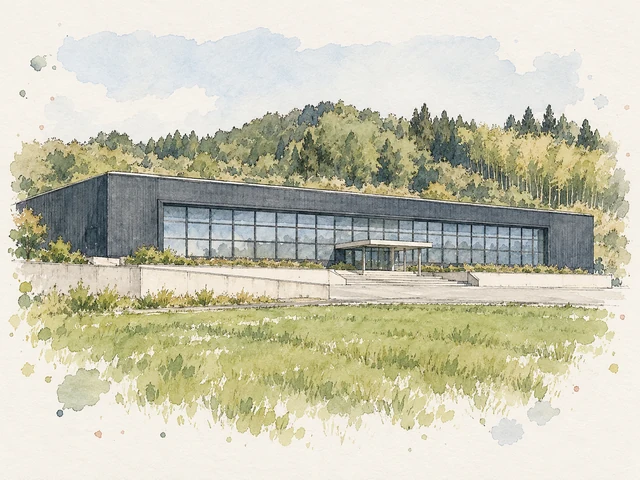
See metal tools, including nail clippers, being made in the factory.
Regular individual visits: no booking; contact the factory for 10 or more
Normally closed Sun, Mon, public holidays, Apr 1 and New Year; festival hours differ.
Getting there: The factory is at 1332 Koanji, Sanjo. The published driving route takes about 20 minutes from Sanjo-Tsubame IC.
Combine with: SUWADA Factory Shop (same site)
Official sources · Checked 2026-09-14
Craft workshop · Gujo Hachiman, Gifu
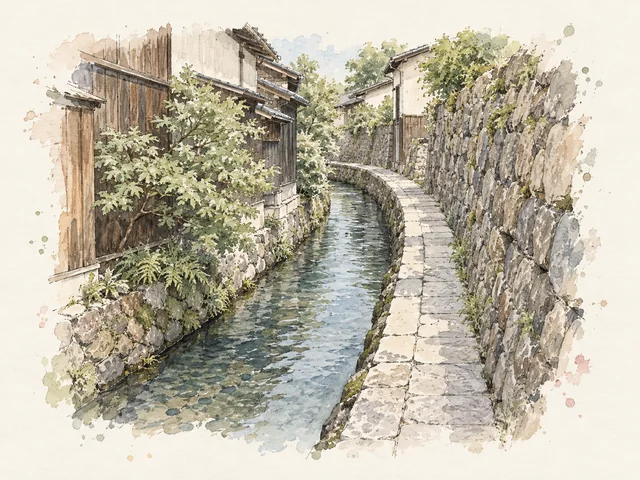
Make a food replica at Sample Kobo; some crafts take about 20–30 minutes.
Book on regular dates; designated holiday periods are walk-in only
Shop hours below; workshops have their own sessions. Closed over New Year.
Getting there: From Gujo-Hachiman Station on the Nagaragawa Railway, walk about 20 minutes or take a taxi for about 5 minutes. Choose the Gujo Hachiman main shop, not its Nagoya branch.
Combine with: Former Hachiman Government Building Memorial Hall (nearby walk)
Official sources · Checked 2026-09-14
Seasonal event · Mino, Gifu
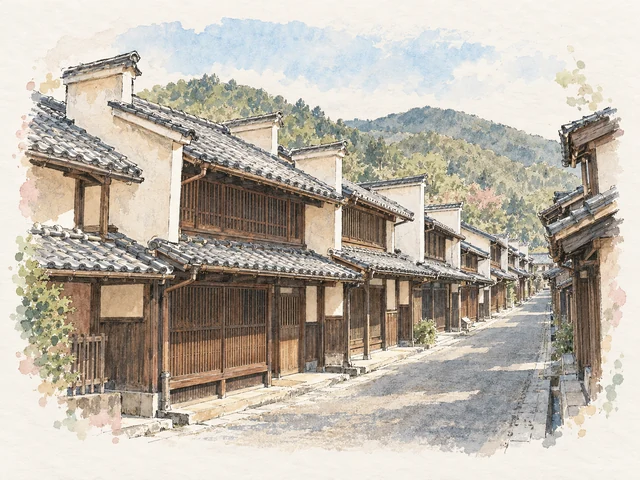
See paper-lantern artworks lit along Mino’s old-town streets.
Free street exhibition
Lighting runs only during the dates shown; check your return train.
Getting there: Take the Nagaragawa Railway to Mino-shi Station, then walk about 10 minutes to the old-town exhibition area.
Combine with: Former Imai Family Residence and Mino Museum (nearby walk)
Official sources · Checked 2026-09-14
Omamori · Tokyo · Ochanomizu / Akihabara
This IT omamori has a machine-inspired design and stickers for a computer. It is offered for prayers for computer and information safety, which may appeal to someone interested in technology.
At the shrine; online shipping within Japan only
The current notice gives 09:00–18:00 daily from 17 January 2026. New Year has a separate schedule; check the notice for the year of your visit.
Getting there: About 5 minutes from JR Ochanomizu Station’s Hijiribashi exit, or 7 minutes from JR Akihabara’s Electric Town exit. Metro options include Ochanomizu exit 1 and Shin-ochanomizu exit B1, each about a 5-minute walk.
Combine with: Yushima Seido (nearby walk)
Official sources · Checked 2026-09-15
Omamori · Kagawa · Kotohira
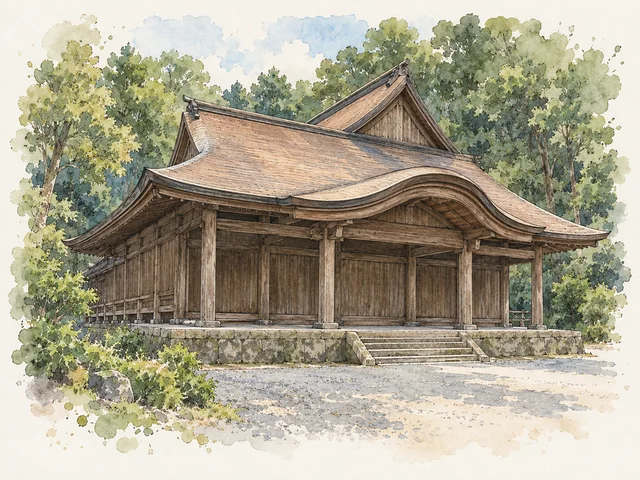
The yellow omamori comes in a set with a miniature Konpira dog, offered at the main shrine’s charm counter. The yellow charm and little dog make a distinctive pair.
At the main shrine; postal requests available
Regular charm reception is 08:30–17:00; Daimon gate opens 06:00–18:00. Storms, heavy rain, strong winds or damaged paths can cause temporary closures.
Getting there: Take JR to Kotohira Station or Kotoden to Kotoden-Kotohira Station, then walk to the main approach. The main shrine is up 785 stone steps; the station and approach entrance are not the charm counter.
Combine with: Omote-Shoin and Maruyama Okyo’s wall paintings (same site)
Official sources · Checked 2026-09-15
Seasonal event · Kawagoe, Saitama
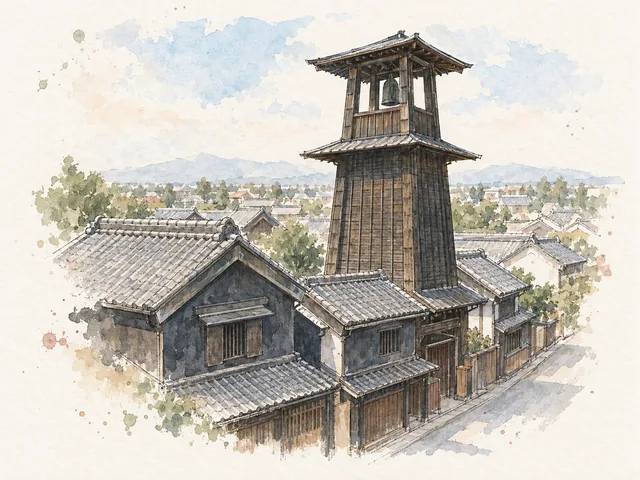
See festival floats in Kawagoe in October 2026. Reserved viewing seats are a separate paid option; their session times do not cover the whole street festival.
Book paid viewing seats
This edition is on October 17–18 only. The museum is a separate option on other dates.
Getting there: Take the Seibu Shinjuku Line to Hon-Kawagoe. The paid-seat venue, Resona Koedo Terrace at Saiwaicho 4-1, is about a 12-minute walk from the east exit. Follow festival traffic controls on the day.
Combine with: Kawagoe Festival Museum (nearby walk)
Official sources · Checked 2026-09-14
Themed trains · Kishigawa Line, Wakayama
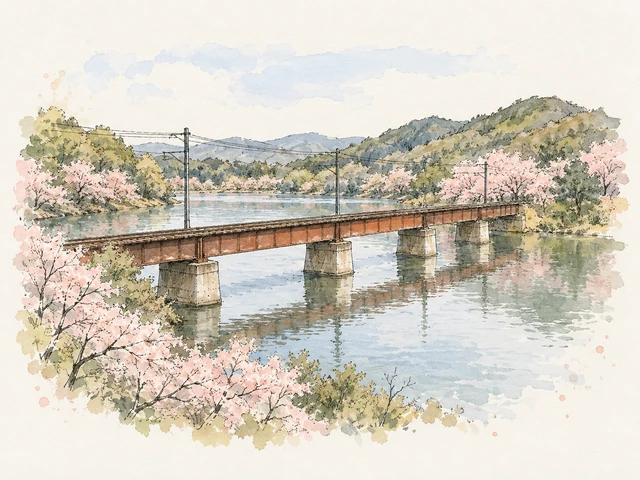
Ride the Kishigawa Line to Kishi Station, then visit Tama Café and the shop. Check the date-specific roster for a particular themed train; inspections can cause substitutions.
Check the themed-train timetable
Use the operating calendar and service notices for trains. Café hours are not railway operating hours. Cat stationmaster appearances have a separate current schedule.
Getting there: At JR Wakayama Station, follow Kishigawa Line signs to platform 9 and ride to Kishi. The operator describes the journey as about 30 minutes. Kishi Station has no visitor parking; arrive by train.
Combine with: Tama Café and shop at Kishi Station (same site)
Official sources · Checked 2026-09-14
Gorge & art · Tokamachi, Niigata
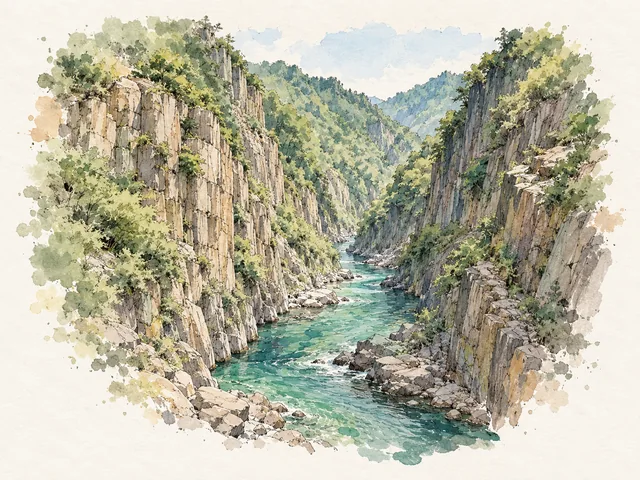
The tunnel is 750 metres each way, ending at a reflecting pool. The operator suggests about 30–40 minutes for the return visit. Shoes can get wet at the water feature.
Advance tickets on listed peak dates
No fixed weekly closing day. Snow can cause temporary winter closure; check tunnel notices before setting out.
Getting there: From Echigo-Yuzawa’s east exit, bus stop 4, take a bus towards Morimiyanohara and get off at Kiyotsukyo Iriguchi, then walk about 30 minutes. There is no taxi link from this stop to the first car park; check both bus directions. Driving from Shiozawa-Ishiuchi IC takes about 20 minutes.
Combine with: Entrance pavilion: café and footbath (same site)
Official sources · Checked 2026-09-14
Cycling & islands · Setoda, Ikuchijima, Hiroshima
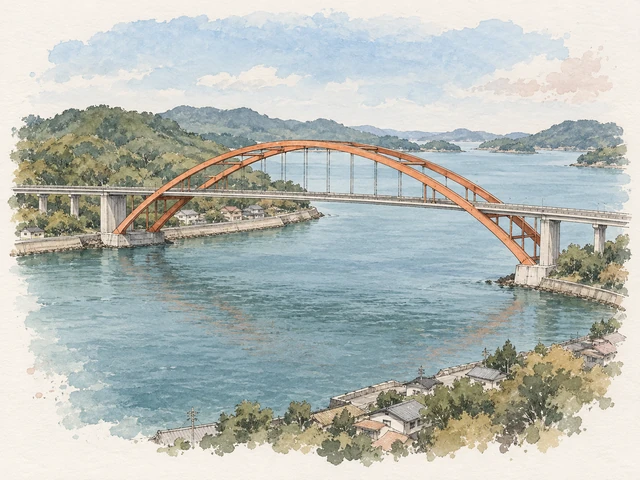
Rent a bike at Setoda Tourist Information Centre on Ikuchijima. Plan a local out-and-back ride and visit the Hirayama Ikuo Museum, without committing to an island-to-island crossing.
Reserve a bike ahead
Setoda Tourist Information Centre closes December 29–31. Use your chosen terminal’s hours for collection and return, not Onomichi’s hours.
Getting there: Walk about 3 minutes from JR Onomichi Station to the station-front pier, take the Onomichi–Setoda ferry to Setoda Port, then follow the official local map to the tourist office in front of the museum. Check outward and return sailings together.
Combine with: Hirayama Ikuo Museum of Art (nearby walk)
Official sources · Checked 2026-09-14
History & tastings · Sapporo, Hokkaido
Explore Sapporo beer history with English or Traditional Chinese audio. This museum has no brewing equipment.
Self-guided visits require a ticket but no reservation. The tasting tour requires booking and is in Japanese.
Closed December 31, with possible temporary closures. Guided tours normally pause on Mondays, moving to Tuesday after a Monday holiday; self-guided visits follow museum opening days.
Getting there: Walk about 8 minutes from JR Naebo Station’s north exit, or 10 minutes from exit 4 of Higashi-Kuyakusho-mae on the Toho subway line.
Combine with: Tasting Hall (same site)
Official sources · Checked 2026-09-15
Folklore · Oga, Akita, Tohoku
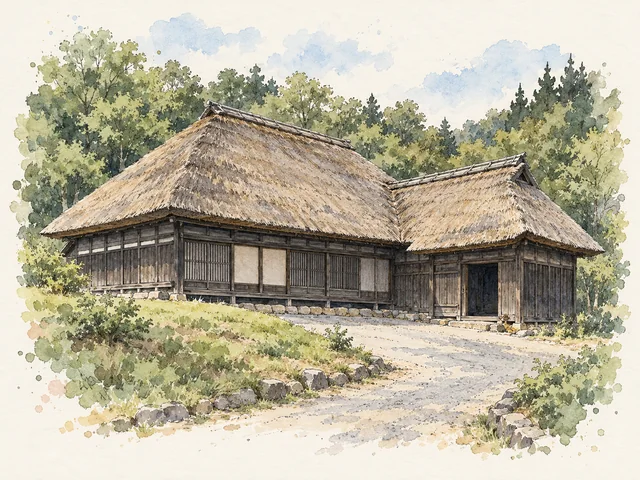
See namahage masks, then visit the neighbouring folklore museum for a demonstration of Shinzan traditions.
Buy admission for the museums; the Namahage Shuttle from Oga Station must be reserved in advance.
The museum opens year-round. Folklore sessions also run daily in winter, with fewer sessions to choose from.
Getting there: From JR Oga Station, take the reserved Namahage Shuttle, about 25 minutes to the museum. Some JR Oga Line services are suspended on selected autumn/winter 2026 dates; check the notice and return connection before booking.
Combine with: Oga Shinzan Folklore Museum (nearby walk)
Official sources · Checked 2026-09-15
Bamboo workshop · Beppu, Oita, Kyushu
Make a bamboo bell at the traditional crafts centre. The Shikainami basket workshop is currently suspended because of material shortages.
Request the workshop in advance through the official form or by phone; the centre confirms the date and time.
Closed Mondays, or the following day when Monday is a public holiday, and December 29–January 3. Open September 19–23, 2026; closed September 24 instead.
Getting there: Take bus 25 from JR Beppu Station’s east side to Takezaiku Densankan-mae. Check the timetable before traveling.
Combine with: Bamboo craft galleries (same site)
Official sources · Checked 2026-09-15
Dyeing & painting · Nanjo, Okinawa
Try bingata dyeing or paint a shisa figure; the operator lists each activity from about 20 minutes.
Small-party crafts need no reservation; groups of 15 or more must book two weeks ahead. Park admission and crafts are charged separately.
Severe weather may affect shows and operations; check official notices. The glass workshop has separate closing days and reception hours.
Getting there: From Naha Bus Terminal beside Asahibashi Station, take bus 54 or 83 to Gyokusendo-mae, then walk about 2 minutes. Check the return timetable.
Combine with: Super Eisa show in the park (same site)
Official sources · Checked 2026-09-15
All times are local to Japan. Read regular hours with closures and exceptions. These are separate choices in different places.
More trip ideas: five Kappabashi shops, shrine tea stops, art and character stores →
Full details for Hokkaido, Tohoku, Kyushu and Okinawa →
Tokyo omamori: five shrines, counter hours, transport and nearby stops →
Find a month or a region
Choose a region to compare months, or choose a month to compare regions. Scores run from 0 to 100: higher means more comfortable. These use the 2026 Overall comfort model, not a live weather or crowd forecast.
| Month | Kansai | Tokyo/Kanto | Fukuoka/Kyushu | Hokkaido | Okinawa | Nagoya/Chubu |
|---|
Next 12 months · official dates
Browse confirmed events still running or yet to start. Preview cards link to official sources; the full calendar adds character events, planning notes and past editions.
There are currently no confirmed regional events still running or yet to start. Past editions remain available in the full calendar.
25 October 2026
7 November 2026
8 November 2026
23 November 2026
6 December 2026
25 December 2026
4–11 February 2027
21 February 2027
9–13 June 2027
Latest source check 2026-10-08
Comfort is multi-factor
Cherry blossoms are beautiful, but hotel pressure, crowds, pollen, Easter, and Qingming can stack together. Hay fever or crowd-sensitive travelers should book early and avoid core hotel zones.
Snow Festival and skiing make hotels expensive, but pollen is low and scenery is strong. Cold-sensitive travelers may struggle; snow lovers should compare Sapporo, Otaru, Asahikawa, and Chitose early.
Hotels may be easier than summer and swimming can still work, but typhoon risk is the main comfort penalty. Use cancellable hotels, indoor backups, and travel insurance.
Model score snapshot
These use the same comfort scores shown above; a higher score indicates an easier fit for a general traveller.
Select a calendar score to see how hotels, crowds, weather, pollen, holidays, fireworks, and school trips affect the result.
Sources checked: 2026-09-14
Lanterns, factory visits and food-replica workshops: independent choices to match your destination. Past editions remain in the full guide.
See festival floats in Kawagoe in October 2026. Reserved viewing seats are a separate paid option; their session times do not cover the whole street festival.
2026 festival dates; street programme follows organizer notices
2026-10-17 (Sat) – 2026-10-18 (Sun)
Paper lantern artworks line Mino’s Udatsu old town. The 2026 exhibition has separate periods for new entries and earlier prize-winning works, both lit from 17:00.
New entries
2026-10-11 (Sun) – 2026-10-23 (Fri)
17:00–21:00
Earlier prize-winning works
2026-10-24 (Sat) – 2026-11-30 (Mon)
17:00–21:00
The 2026 Factory Festival runs October 1–4, with different hours at each factory. This card covers SUWADA’s metal-tool production and its bookable metal bonsai workshop.
2026 festival: free guided visits, about 30 minutes
2026-10-01 (Thu) – 2026-10-04 (Sun)
Sample Kobo’s Gujo Hachiman main shop offers food-replica workshops, with some options taking about 20–30 minutes. Check the chosen craft’s age requirements when visiting with children.
Gujo Hachiman main shop; workshops have their own slots
10:00–17:00
Ride the Kishigawa Line to Kishi Station, then visit Tama Café and the shop. Check the date-specific roster for a particular themed train; inspections can cause substitutions.
Trains: select your date for first/last services and themed trains
The tunnel is 750 metres each way, ending at a reflecting pool. The operator suggests about 30–40 minutes for the return visit. Shoes can get wet at the water feature.
March–November
08:30–17:00
December–February
09:00–16:00
Rent a bike at Setoda Tourist Information Centre on Ikuchijima. Plan a local out-and-back ride and visit the Hirayama Ikuo Museum, without committing to an island-to-island crossing.
Setoda Tourist Information Centre rental terminal (Ikuchijima 1)
09:00–17:00
All seven visits, including past festival editions →
Looking for omamori? Lace, bracelets, IT charms and a miniature dog, with links to official photos →
From month choice to daily structure
Once you know roughly when you will travel, keep room for nearby candidates, rest, and a weather backup.
Generate an adjustable skeleton from month, region, pace, and planning preference.
Paste an existing plan to find density, area changes, repeats, meal/rest gaps, and rain-backup gaps.
Every result is a planning reference; review sources, verification dates, and limitations.
Official Japan inbound data
According to the Japan National Tourism Organization visitor-arrivals time series released in June 2026, these were the largest source markets from January to May 2026. The calculator uses this context to understand when overlapping holidays can raise crowd, hotel, and transport pressure.
A short-haul, high-frequency market with strong demand for Tokyo, Osaka, Fukuoka, Hokkaido, and weekend city breaks.
A steady year-round Japan travel market that adds pressure during cherry blossoms, summer, autumn foliage, and winter trips.
Jan-May arrivals were down 56.2% year on year, but other major markets remain strong, so big cities may still feel busy.
Long-haul visitors often stay longer, supporting demand in Tokyo, Kyoto, Osaka, Hokkaido, and Chubu itineraries.
A high-repeat market where short breaks and public holidays can concentrate demand in Kansai, Tokyo, Kyushu, and Okinawa.
| Rank | Country / region | Jan-May 2026 visitor arrivals | Year-on-year change |
|---|---|---|---|
| 1 | South Korea | 4,888,000 | +20.6% |
| 2 | Taiwan | 3,301,800 | +22.3% |
| 3 | China | 1,717,400 | -56.2% |
| 4 | United States | 1,467,200 | +8.2% |
| 5 | Hong Kong | 1,084,200 | -1.8% |
| 6 | Thailand | 656,500 | +4.5% |
| 7 | Australia | 529,400 | +4.3% |
| 8 | Philippines | 414,400 | +7.7% |
| 9 | Malaysia | 341,400 | +15.4% |
| 10 | Vietnam | 340,000 | +9.1% |
Source: Japan National Tourism Organization (JNTO), Visitor Arrivals to Japan monthly statistics. Figures are preliminary estimates from the 2026 time-series sheet released in June 2026. Data checked: 2026-07-07.
Holiday overlap risk
Comfort is not driven by Japan holidays alone. When Japanese long weekends overlap with holidays in Korea, Taiwan, Hong Kong, China, the United States, Australia, and Southeast Asia, Tokyo, Osaka, Kyoto, Fukuoka, Hokkaido, and Okinawa can all feel busier.
How to read the bars: a longer, warmer-colored bar means more travel markets overlap in the same window and planning pressure is relatively higher. This is a calendar comparison, not a live crowd or hotel-price forecast.
Holidays across Korea, Taiwan, China, Hong Kong, Vietnam, and Malaysia can lift short-haul demand for Fukuoka, Kansai, Tokyo, and Hokkaido.
Hong Kong, Taiwan, China, Australia, the Philippines, and US long-weekend demand can overlap with late cherry blossoms.
Japan's domestic super peak can overlap with Labor Day holidays in several markets. Even if budget is fine, crowds and transport are the problem.
Asian school holidays, Japan summer vacation, Obon, and fireworks season overlap. Family rooms, rental cars, and long-distance trains tighten.
Respect for the Aged Day, a statutory bridge holiday, and Autumnal Equinox Day connect with the weekend to create a five-day break.
Western, Australian, Hong Kong, and Philippine holidays overlap with Japan's year-end period, especially in Tokyo, Kansai, and Hokkaido.
Sources: Cabinet Office, Government of Japan public holidays, Hong Kong 2026 general holidays, and major-market public holiday calendars. Treat these as planning windows and recheck official calendars before booking. Data checked: 2026-06-28.
School trips / education travel
Japan School Trip Bureau survey extracts for 2024 show a 93.8% domestic school-trip implementation rate among responding middle schools, with middle-school departures clustering in May-June and another wave in September. Kyoto and Nara ranked highly for middle-school trips, while Osaka, Okinawa, and Kyoto ranked highly for high-school trips. The calculator therefore applies only a low-to-medium penalty in relevant region-month windows, rather than treating all of Japan as sold out year-round.
Kyoto, Nara, and Osaka are classic school-trip routes. Even after Golden Week, midweek mid-range or group-friendly hotels can be tighter than expected.
September-November combines comfortable weather, education travel, and early foliage demand. The effect is usually smaller than peak foliage, but it can squeeze convenient hotel zones.
School groups tend to book early and in room blocks. The strongest effect is on budget to mid-range hotels that can handle groups, meals, buses, or large-room operations.
Sources: Japan School Trip Bureau education travel surveys, including middle-school and high-school survey extracts, and MEXT School Basic Survey. This is a monthly and regional pressure estimate; actual room availability still depends on booking platforms and individual hotels.
2026 fireworks dates
These are major fireworks dates verified from official or organizer pages. These dates remain available as 2026 edition references. Recheck organizer announcements before travelling.
| Date | Festival | Area | Comfort note |
|---|---|---|---|
| July 25 | Sumida River Fireworks Festival | Tokyo / Asakusa, Sumida | Book Asakusa, Ueno, Kinshicho, and Oshiage early |
| August 2-3 | Nagaoka Festival Grand Fireworks | Niigata / Nagaoka | Nagaoka sells out early; compare Niigata city |
| August 6 | Lake Biwa Fireworks Festival | Shiga / Otsu | Otsu and Kyoto hotel prices can be affected |
| August 11 | Koto Fireworks Festival | Tokyo / Arakawa | Toyocho, Monzen-nakacho, and Kinshicho can rise |
| August 29 | Omagari National Fireworks Competition | Akita / Daisen | Daisen, Omagari, and Akita city should be booked very early |
| September 20 | Suito Kurawanka Fireworks | Osaka / Hirakata, Takatsuki | Demand rises between Osaka and Kyoto |
| October 17 | Naniwa Yodogawa Fireworks Festival | Osaka / Yodogawa | Umeda, Juso, and Shin-Osaka get busy |
| April 26, May 24, July 20, July 26, August 5, August 9, August 18, August 24, September 13, October 12, October 25, November 8, November 23, December 6, December 25 | Atami Sea Fireworks Festival | Shizuoka / Atami | Atami has limited hotel supply; summer and weekend dates fill early |
Sources: official or organizer pages including Sumida River Fireworks official site, Nagaoka Fireworks Ticket Center, Omagari Hanabi Official Website, Biwako Fireworks official ticket site, Naniwa Yodogawa Fireworks official notice, Suito Kurawanka Fireworks, Koto Fireworks, and Atami Tourism Association. Always recheck official sites before booking because weather and crowd-control rules can change. Data checked: 2026-06-28.
Regional comfort logic
Kansai comfort usually drops around cherry blossoms, Golden Week, school trips, autumn foliage, and New Year. Kyoto and Nara can feel busy even on weekdays, and March-April adds pollen pressure.
Comfort tip: Crowd-sensitive or budget travelers can stay in Osaka around Namba, Umeda, or Tennoji and day trip to Kyoto or Nara.
Tokyo rarely feels truly quiet because business travel, concerts, shopping, Disney, and exhibitions create year-round demand. March-April combines cherry blossoms, crowding, and hay fever.
Comfort tip: Compare Ueno, Asakusa, Ikebukuro, and Kinshicho instead of only Shinjuku, Shibuya, and Tokyo Station.
Kyushu cities are often easier than Tokyo or Osaka, but onsen towns can spike on Saturdays and long weekends. Pollen can start earlier, and June rain can reduce comfort.
Comfort tip: Use Fukuoka city as a base, and avoid Saturday-night ryokan stays in Yufuin, Beppu, and Kurokawa where possible.
Hokkaido is cooler and more comfortable than Honshu in summer, but flower fields, road trips, and rental cars lift pressure. Winter scenery is strong, but cold and snow-road stress matter.
Comfort tip: Hay fever travelers should watch birch pollen in April-May; June and September can be easier comfort windows.
Okinawa has lower cedar and cypress pollen pressure than mainland Japan, which helps hay fever comfort. May rain, July-August heat, and September typhoons are the bigger penalties.
Comfort tip: October and November can be strong slow-travel windows; September needs cancellable plans because of typhoon risk.
Nagoya city can be stable, but Takayama, Shirakawa-go, Kanazawa, Kamikochi, and the Tateyama Kurobe Alpine Route follow snow, foliage, mountain access, and transport patterns.
Comfort tip: Winter snow and October-November foliage need earlier planning; cold-sensitive travelers may prefer Nagoya or Kanazawa as stable bases.
Timely now
Japan typhoon planning for June–October: compare JMA monthly averages, then check current forecasts, operator notices and booking deadlines before changing a trip.
The Asian Games overlap Silver Week on September 19–23. Compare venues and hotel locations; the Asian Para Games follow on October 18–24.
Separate climate normals from a real 2026 forecast, then plan Kyoto hotels and crowd checks around the November peak.
Choose by experience, not by finding a substitute Kyoto.
October in Japan has Nagasaki Kunchi, Takayama Autumn Festival, Naniwa Yodogawa Fireworks, Jidai Matsuri, Kurama Fire Festival, and Saga Balloon Fiesta.
Five common Japan timing questions
Compare the whole year, then narrow it by region and the travel pressure you care about.
Low season depends on region, weather, and events; the same month is not quiet everywhere.
See where Japanese holidays and major visitor-market holidays overlap.
Compare Honshu cedar and cypress, Hokkaido birch, and autumn grass pollen.
Use holidays, major events, regional supply, and cancellation terms to decide when to compare rooms.
Hay fever comfort
Pollen does not always change hotel prices, but it can directly change how comfortable the trip feels. The calculator treats pollen as its own comfort penalty instead of only looking at hotel seasonality.
Pollen content is general trip-planning information, not medical advice. If you have severe allergies, asthma, chronic conditions, pregnancy, children, or older travelers in your group, ask a doctor or pharmacist before travelling.
Tokyo, Kansai, Chubu, and Kyushu travelers should pay attention. March is often a key peak, while April can still bring cypress pollen during blossom trips.
Hokkaido does not follow the same cedar/cypress pattern as Honshu, but birch pollen can matter in April and May. June and September can be easier alternatives.
Ragweed, mugwort, and grass pollen can affect late-summer and autumn travelers. It is more local than spring pollen, but parks and river areas can still matter.
Blossom / snow windows
Use these as broad planning windows. Blossom timing changes with yearly temperatures, and snow cover depends on altitude, latitude, and weather. Recheck JNTO, JMA, and local official sources before booking.
| Theme | Typical window | Main regions | Comfort note |
|---|---|---|---|
| Early blossoms | Late January-early February | Okinawa | Early cherry blossoms arrive before mainland Japan, but it is not classic beach season. Rental cars and weekends still need checks. |
| Cherry blossoms | Late March-early April | Kyushu, Tokyo, Kansai, Nagoya | Tokyo, Kyoto, and Osaka often combine blossoms, spring break, pollen, and overseas holiday demand. |
| Northern blossoms | Mid-April-early May | Tohoku, Hokkaido, Hakodate, Sapporo | Going north can avoid the main Honshu peak, but Golden Week can still raise crowds and prices. |
| Reliable snow scenery | December-March | Hokkaido, Tohoku, Nagano, Niigata | Skiing, snow festivals, onsen trips, and family rooms raise hotel pressure. Cold and snow-road stress matter. |
| Gassho / Hokuriku snow | January-February is steadier | Shirakawa-go, Hida Takayama, Kanazawa area | Mountain lodging and buses are limited. Nagoya or Kanazawa can be steadier bases. |
| City snow | Occasional in January-February | Tokyo, Osaka, Kyoto city centers | Do not plan around guaranteed city snow. If it happens, transport disruption can be the bigger issue. |
How to use it
Scoring method
Each combination starts at 100 and subtracts penalties for hotels/crowds, school trips, holiday overlap, weather, pollen, and verified major events. If you choose a sensitivity such as crowd, hay fever, heat, cold, or budget, the relevant penalty is weighted further. This is a rule-based planning estimate, not a live hotel-rate, weather, or pollen forecast.
| Factor | What it checks | Score impact |
|---|---|---|
| Hotels/crowds | Regional seasonality such as blossoms, foliage, snow, summer holidays, and resort demand. | Lower in shoulder months, highest in super-peak months. |
| School trips | Uses Japan School Trip Bureau surveys to flag Kansai May-June, autumn school groups, and Okinawa high-school trip windows. | Low-to-medium add-on, with extra weighting for crowd-sensitive and hotel-budget travelers. |
| Holiday overlap | Japan holidays alongside holidays in major visitor source markets. | Lunar New Year, Golden Week, Obon, and Christmas/New Year weigh more. |
| Weather | Rainy season, heat, typhoons, cold, and snow-road stress. | Heat-sensitive or cold-sensitive choices add extra weight. |
| Pollen | Mainland cedar/cypress, Hokkaido birch, and autumn grass pollen are handled separately. | Hay fever sensitivity increases the pollen penalty. |
| Major events/fireworks | Verified or strongly seasonal events are included as monthly pressure. | Mainly affects July-August, October, and some winter events. |
| Traveler sensitivity | Adjusts the same month-region result around what you personally find difficult. | Makes the score reflect lived comfort, not only average demand. |
Reference sources